

What Franchising’s First Billionaire Says About the Sector’s Franchising Wealth Potential
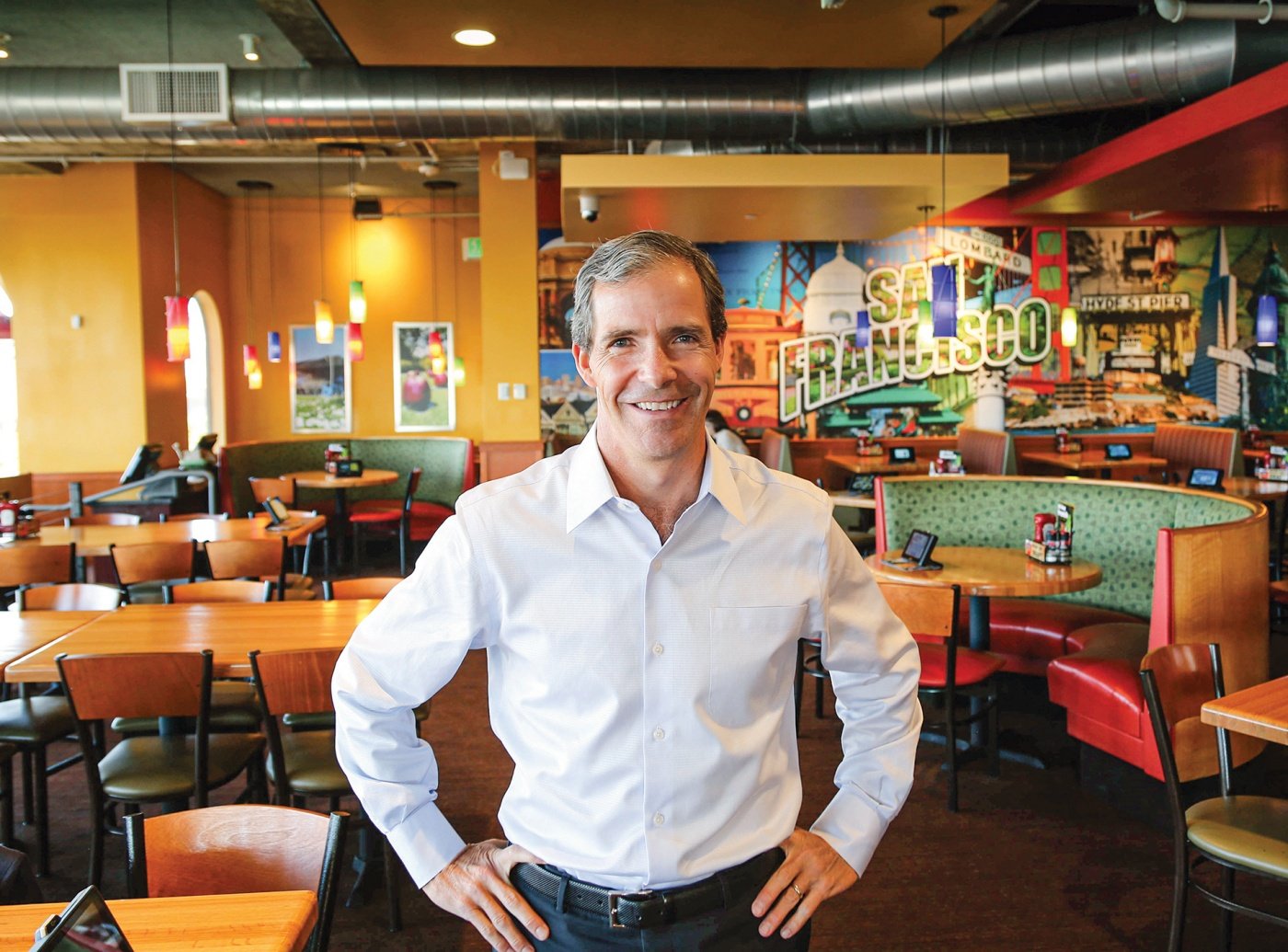
The rise of Greg Flynn from a small-scale franchisee to what is widely believed to be the franchising industry’s first billionaire has reignited discussion around the long-term franchising wealth potential of franchise ownership.
A recent feature published by Moneywise explored Flynn’s journey and highlighted franchising as one of the most overlooked paths to significant wealth creation. While the technology sector often dominates conversations around entrepreneurship and financial success, Flynn’s story demonstrates that large-scale fortunes can also be built through operating established consumer brands, showcasing the franchising wealth potential in this sector.
Flynn began with the acquisition of just eight Applebee’s restaurants in the United States before steadily expanding his portfolio over several decades. Today, Flynn Group operates more than 3,000 franchised locations across brands including Pizza Hut, Taco Bell, Wendy’s and Arby’s, alongside more than 140 Planet Fitness gyms in multiple international markets.
Although his achievements are exceptional in scale, the underlying model is familiar across the franchising sector: acquire proven businesses, operate them efficiently and expand strategically over time.
Exploring Franchising Wealth Potential
The Moneywise report pointed to wider data suggesting that entrepreneurship remains one of the strongest routes to long-term wealth accumulation. According to figures cited in the article, business owners and entrepreneurs account for 88% of millionaires and 91% of individuals with a net worth above $5 million.
Historically, franchising has played a major role in that trend. Long before the emergence of Silicon Valley’s technology giants, McDonald’s was frequently described as one of the biggest creators of millionaires anywhere in the world.
For many franchisees, the attraction lies in combining entrepreneurial ownership with the support of an established system. Operators benefit from brand recognition, proven operational processes and national marketing support while still running their own businesses.
That structure can significantly reduce some of the risks associated with starting an independent company from scratch, though it does not eliminate them entirely.
High Costs and High Expectations
Despite the success stories, franchising is far from a guaranteed route to financial freedom.
Entering many established franchise systems requires substantial upfront capital, with costs often including franchise fees, premises, equipment, staffing, stock and working capital. Franchisees must also budget for ongoing royalty fees and marketing contributions.
The economics can vary considerably between brands. Moneywise noted that prospective McDonald’s operators in the U.S. are expected to have at least $500,000 in liquid assets, while total investment costs can exceed $1 million depending on location and restaurant format.
Other brands offer lower entry thresholds but may impose highly selective recruitment processes. Chick-fil-A, for example, is known for its comparatively low startup investment requirements but also for its rigorous operator approval standards.
In the U.K., franchise recruitment has similarly become more selective in recent years, with franchisors increasingly focused on financially resilient candidates capable of scaling operations beyond a single unit.
The Reality Behind the Opportunity
While franchising offers access to established business models, it also requires operators to work within strict systems and brand standards. Franchisees often have limited flexibility over pricing, suppliers, branding and operational decisions.
Online franchise communities regularly feature accounts from operators discussing challenges including rising labour costs, landlord disputes, staffing shortages and disagreements with franchisors over strategic direction.
At the same time, many multi-unit franchisees continue to expand aggressively, attracted by the scalability that franchising can offer when systems and locations perform well.
The sector’s appeal is particularly strong for entrepreneurs seeking predictable frameworks rather than creating entirely new concepts from the ground up.
A Different Type of Entrepreneurial Success
Greg Flynn’s success may represent an extreme example, but it underlines the scale of opportunity that can exist within franchising for operators capable of long-term expansion.
Unlike venture-backed startups chasing rapid exits, franchise growth is often incremental, operationally focused and built over decades rather than years. Yet for some entrepreneurs, that slower and more structured approach has produced substantial wealth.
As the franchise sector continues to evolve globally, Flynn’s milestone serves as a reminder that franchising remains one of the most established — and potentially lucrative — models for business ownership available today.

