

Introduction to DPF History
Who doesn’t love clean air? The smell of fresh air after rain, especially in the countryside, is invigorating. On the other hand, the pungent smell of exhaust fumes is not only unpleasant but also hazardous to our health. We’ve all seen vehicles emitting black smoke while accelerating, and it’s a stark reminder of the importance of clean air. The transportation industry has undergone significant changes over the past 60 years, driven by the need to reduce air pollution. In the 1960s, Los Angeles, California, faced substantial smog problems, prompting the US to enact the first automobile emissions standards in 1963. Japan followed suit in 1966, and several European nations, including the UK, introduced their own emission laws between 1970 and 1972.
DPF History
The first component to address emissions was the Positive Crankcase Ventilation (PCV) valve, which removes blow-by gases from the crankcase. The Diesel Particulate Filter (DPF) first appeared in Mercedes Benz vehicles sold in California. By the late 2000s, DPFs became common in both passenger cars and commercial trucks worldwide. The DPF’s primary function is to reduce harmful emissions, and its maintenance plays a crucial role in ensuring its effectiveness.
How Long Should a DPF Last?
A well-maintained DPF should last for around 100,000 miles before needing replacement. However, this figure can vary significantly depending on the level of maintenance. A poorly maintained DPF may need to be replaced much sooner, while a well-maintained one can last up to 150,000 miles. To extend the life and maintain performance of a DPF, a process called DPF regeneration can be used to clean the filter and restore its performance.
What is DPF Regeneration?
DPF regeneration is the process of cleaning and emptying the diesel particulate filter of soot created by combustion. This is achieved by heating the DPF to a high temperature, typically through active or passive regeneration. The effectiveness of DPF regeneration depends on several factors, including the make of engine, type of DPF, and driving conditions. For example, engines used primarily for short trips or in stop-and-go traffic may require more frequent regeneration to prevent the DPF from becoming clogged.
Types of DPF Regeneration
There are two main types of DPF regeneration: passive and active. Passive regeneration occurs naturally during normal driving conditions when the exhaust gas temperature is high enough to burn off particulate matter. Active regeneration, on the other hand, is a more controlled process initiated by the engine control unit (ECU) when the DPF reaches a certain level of saturation. DPF regeneration can also be performed manually using a scan tool.
How Long Does DPF Regeneration Take?
The duration of DPF regeneration can vary depending on several factors, including the vehicle’s make and model, driving conditions, and the efficiency of the regeneration system. Typically, a regeneration cycle can take anywhere from 20 to 30 minutes to complete under normal operating conditions. However, in some cases, it may take longer if the DPF is heavily loaded with soot or if the vehicle hasn’t reached the required operating temperature for regeneration to occur efficiently.
Manual Regeneration Case Study
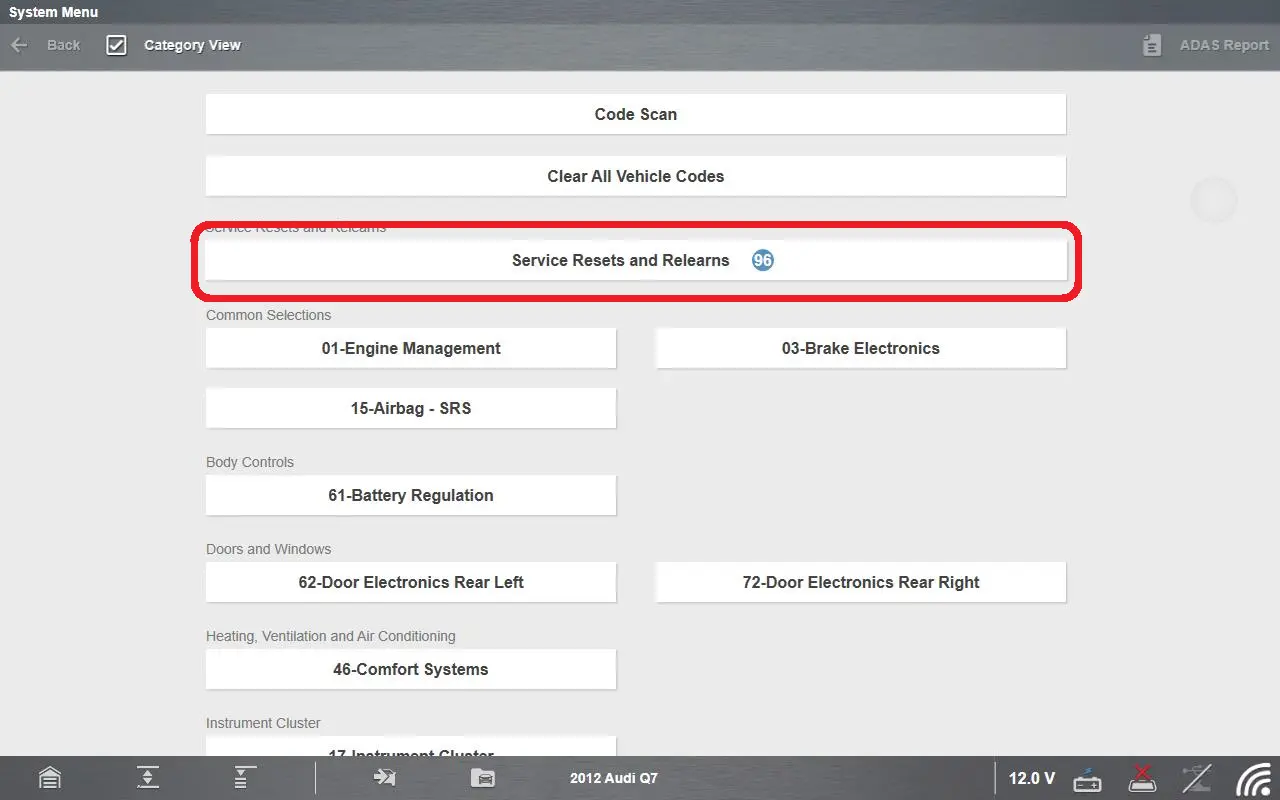
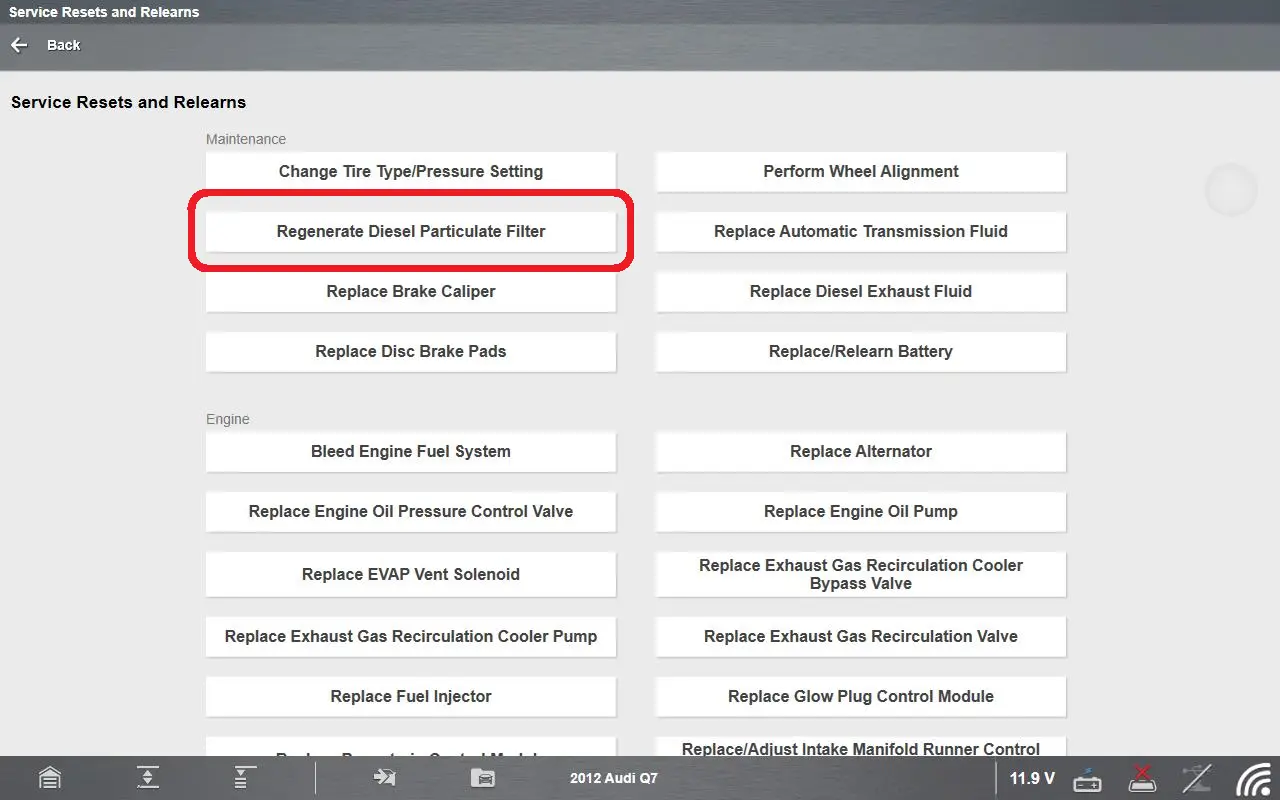
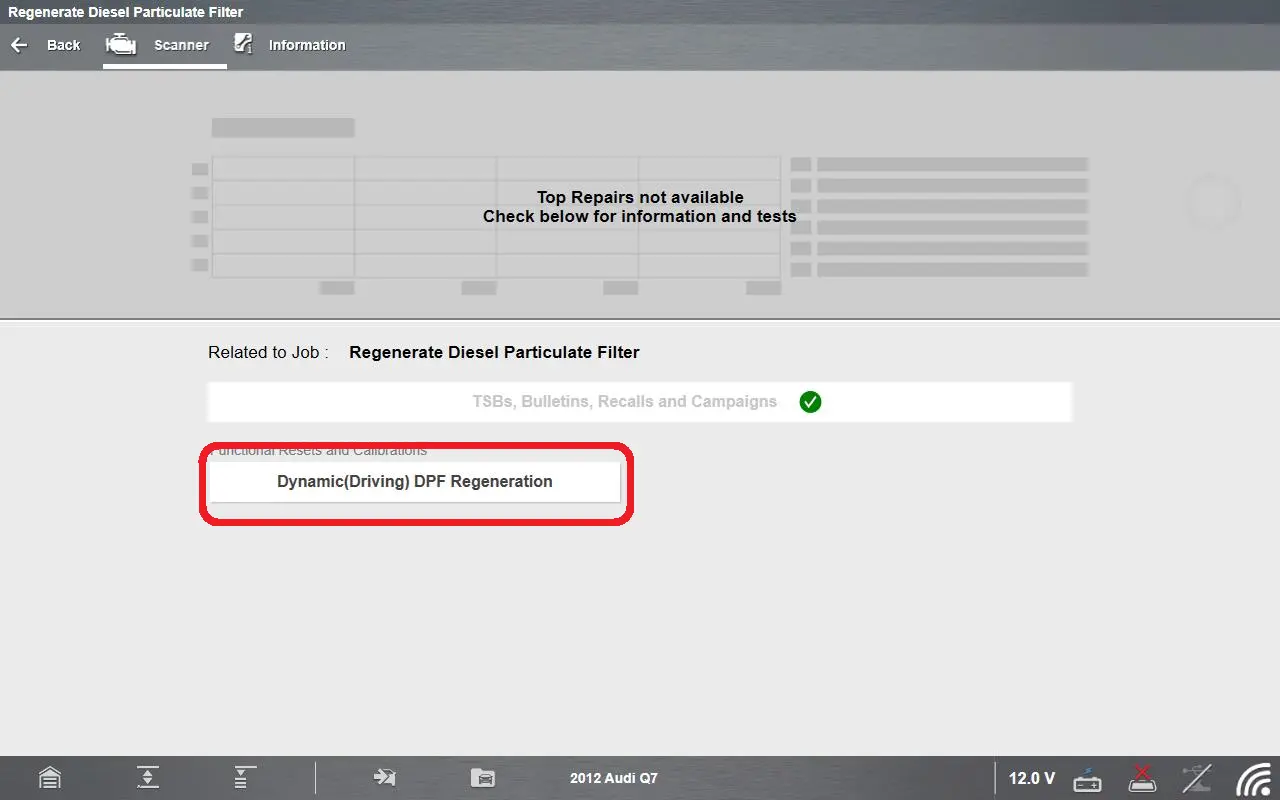
Manual regeneration is often required when vehicles are driven at insufficient speeds to allow regeneration to be carried out automatically by their engine management control software. A scan tool can be used to perform a static or dynamic regeneration to clear the soot levels in the DPF. For example, a 2012 Audi Q7 with a 3.0L engine can undergo a dynamic DPF regeneration using a Snap-on TRITON-D10 scan tool. The process involves connecting the scan tool to the vehicle’s diagnostic port, ensuring the engine is fully warmed up, and following the prompts to initiate the manual regeneration process.
Conclusion
In conclusion, DPF regeneration is a critical procedure that reduces harmful emissions while maintaining the performance of diesel engines. While active regeneration is a more controlled process, passive regeneration occurs naturally during normal driving conditions. Proper maintenance is also essential to ensure the DPF continues to function effectively over time. This can involve performing a manual DPF regeneration or replacing the DPF filter entirely. For more information on DPF regeneration, visit Here

