


Commercial kitchens produce a significant amount of waste oil, especially in high-volume cooking environments like restaurants, pubs, and takeaways. Whether you’re running a fast-food chain or a school canteen, knowing how to dispose of commercial cooking oil responsibly is vital for legal compliance and environmental protection.
This guide covers the best disposal methods, common mistakes to avoid, compliance tips, and the benefits of professional collection. Understanding how to dispose of commercial cooking oil safely is essential as hot oil poses a burn risk, and proper procedures and protective gear are needed to keep staff safe.
Challenges of Disposing Waste Cooking Oil in the UK
Handling waste cooking oil isn’t always simple. UK businesses must follow strict regulations to avoid damaging drains, breaking the law, or harming the environment. Common waste oils include sunflower, vegetable, chip, and frying oil. Correct disposal is just as important as safe handling.
How to Dispose of Oil for Commercial Kitchens
Disposing of commercial cooking oil the right way involves several options depending on the volume your business uses, the available infrastructure, and your sustainability goals. If you’re wondering how do you dispose of cooking oil in small quantities, start with heat-resistant, leak-proof containers. Once cool, pour the oil into a disposable container and store it until it can be collected.
Methods for Disposing of Commercial Cooking Oil
For larger operations, the most effective option is professional waste oil collection. Services like FiltaFry fryer management include scheduled pick-ups, safe transport, environmentally friendly recycling processes, and fryer cleaning. Many businesses choose to install dedicated oil storage tanks. These are particularly useful for high-volume sites where cooking oil accumulates quickly.
Instead of asking what do I do with oil after frying, consider whether it can be reused. Filtered used oil can often be reused for secondary frying, depending on quality. Alternatively, recycling used vegetable oil into biodiesel is a popular choice among eco-conscious businesses. Recycled oil is typically transformed into biodiesel or used in animal feed production (if processed correctly).
Consequences of Pouring Cooking Oil Down a Sink or Drain
Many still ask, how do you dispose of frying oil at the end of the day. Pouring oil down the sink might seem like the quickest solution, but it’s the most damaging. When poured into sinks, oil hardens and clogs pipes. This leads to fatbergs – massive blockages that cost businesses and councils thousands to clear.
Food Safety Act 1990 Compliance
The Food Safety Act 1990 requires food premises to be kept clean, hygienic, and in good condition. This includes managing waste properly and preventing contamination from substances like used cooking oil. If you’re wondering how to dispose of cooking oil responsibly, it starts with understanding your legal obligations.
Under Section 111 of the Water Industry Act 1991, it is a criminal offence to discharge fat, oil or grease into the public sewer if it causes a blockage or interferes with the sewage system. Failure to comply can result in enforcement action, including prosecution, particularly if oil disposal compromises food safety or hygiene standards.
Storing Used Cooking Oil Legally
Storing used cooking oil isn’t just about convenience; it’s about compliance. Storage containers must be secure, labelled, and stored away from food prep areas. Used oil has an expiration date and should not be reused once it’s rancid. Store oil in cool, dark places to slow down degradation. Always use clearly marked storage tanks or bins with fitted lids.
Oil Disposal Mistakes to Avoid
UK businesses are legally required to dispose of cooking oil through licensed carriers. Failing to do so can lead to fines or even closure. Always use a reputable service with full documentation. This cannot be stressed enough: never pour oil into drains or toilets. It damages drains, pollutes water systems, and breaches waste disposal laws.
Storing oil in weak containers or leaving it exposed to open air can lead to leaks, contamination, and unpleasant smells. Always store used oil in sealed, durable containers. Understanding how to dispose of chip oil, how to dispose of sunflower oil, or even how to dispose frying oil is one thing—doing it consistently and legally is another.
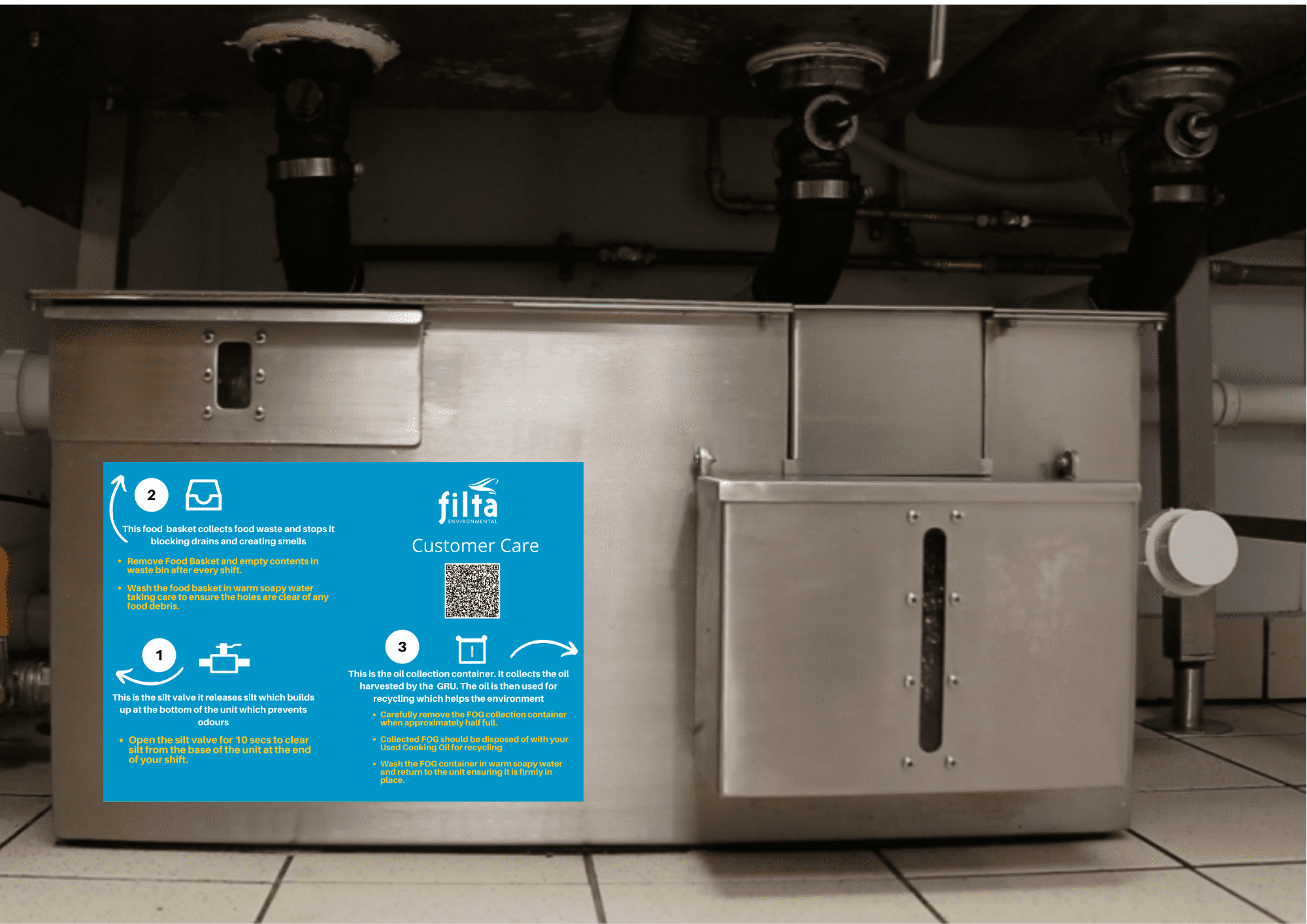
Our specialist waste oil collection service ensures your used oil is handled safely and sustainably. We also offer professional grease trap installation and maintenance to support your kitchen’s long-term efficiency. Ready to streamline your oil disposal process? Contact Filta’s commercial kitchen specialists and find out how we can help you stay compliant, efficient, and eco-friendly.
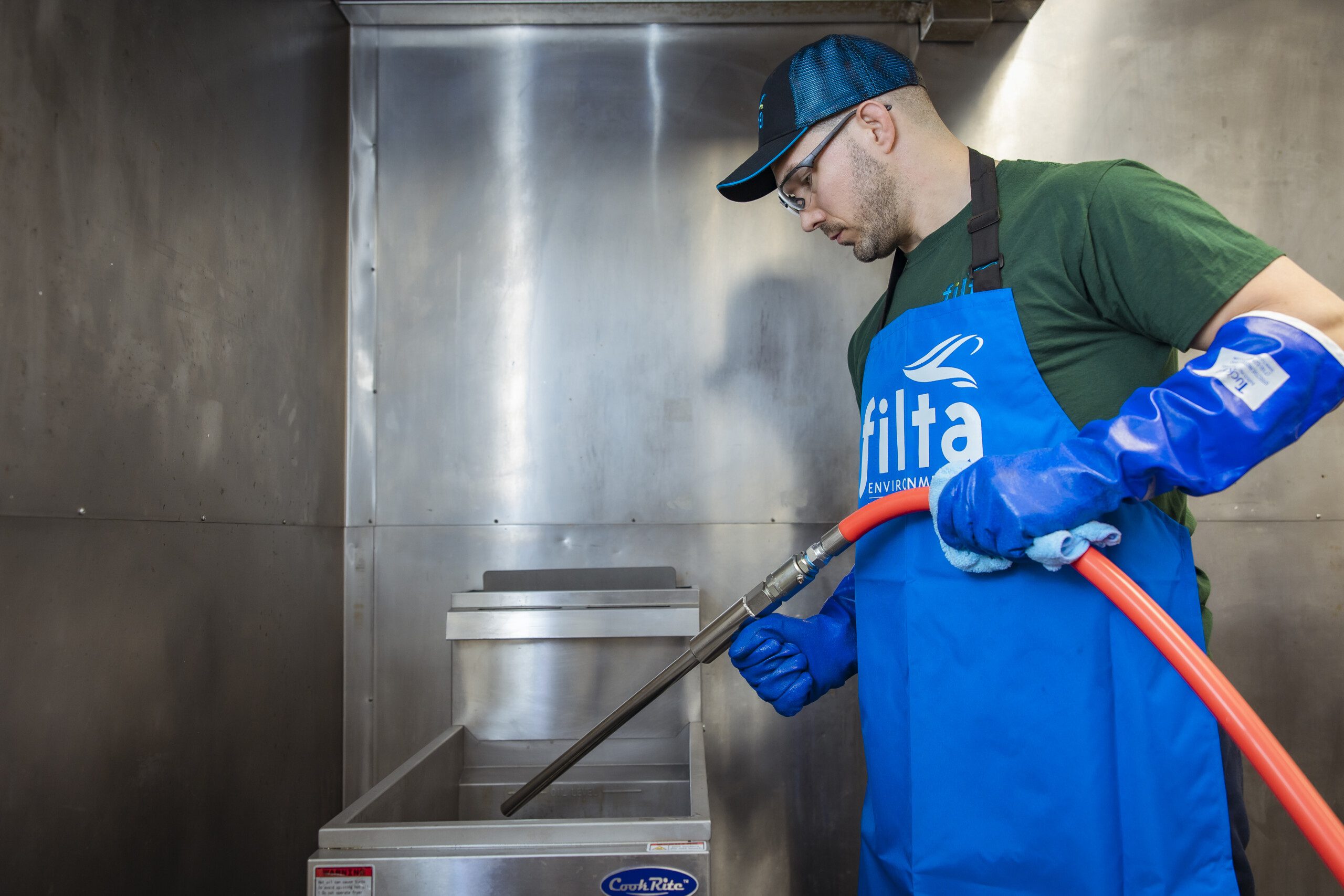
For more information on how to dispose of commercial cooking oil, visit Here

