


Introduction to Plant-Based Milk Alternatives in Coffee
With the growing trend of adopting plant-based diets, many of us have started opting for non-dairy milk alternatives in our daily coffee. The market is now flooded with various options, ranging from almond and oat milk to more niche products like potato and pea milk. But have you ever wondered which one is best suited for coffee?
When it comes to adding milk to coffee, the most common alternatives generally include oat, almond, soy, and coconut milk. These options have distinct flavors and textures, but they tend to be regarded as the best options for coffee due to their ability to complement the bold coffee taste, steam nicely, and resist curdling or splitting.
Understanding Oat Milk
Oat milk has become a popular choice for those seeking a dairy alternative. Its neutral flavor makes it an ideal option for coffee, as it doesn’t overpower the taste. The popularity of oat milk has led to the development of ‘barista’ versions, which have added fat content and stabilizers to create a creamier texture that froths and steams well, making superior lattes with thick, luxurious foam.
The proteins present in oat milk also help prevent it from curdling when added to coffee, making it a great option for those who value a smooth and creamy texture.

Exploring Almond Milk
Almond milk comes in sweetened and unsweetened varieties. Sweetened almond milk is generally preferred for coffee, as it has a more stable texture and adds a subtle nuttiness to the flavor. However, some may find the almond flavor overpowering, taking away from the coffee taste. Adding cold almond milk to hot coffee can also cause it to split, so it’s best to heat it first.

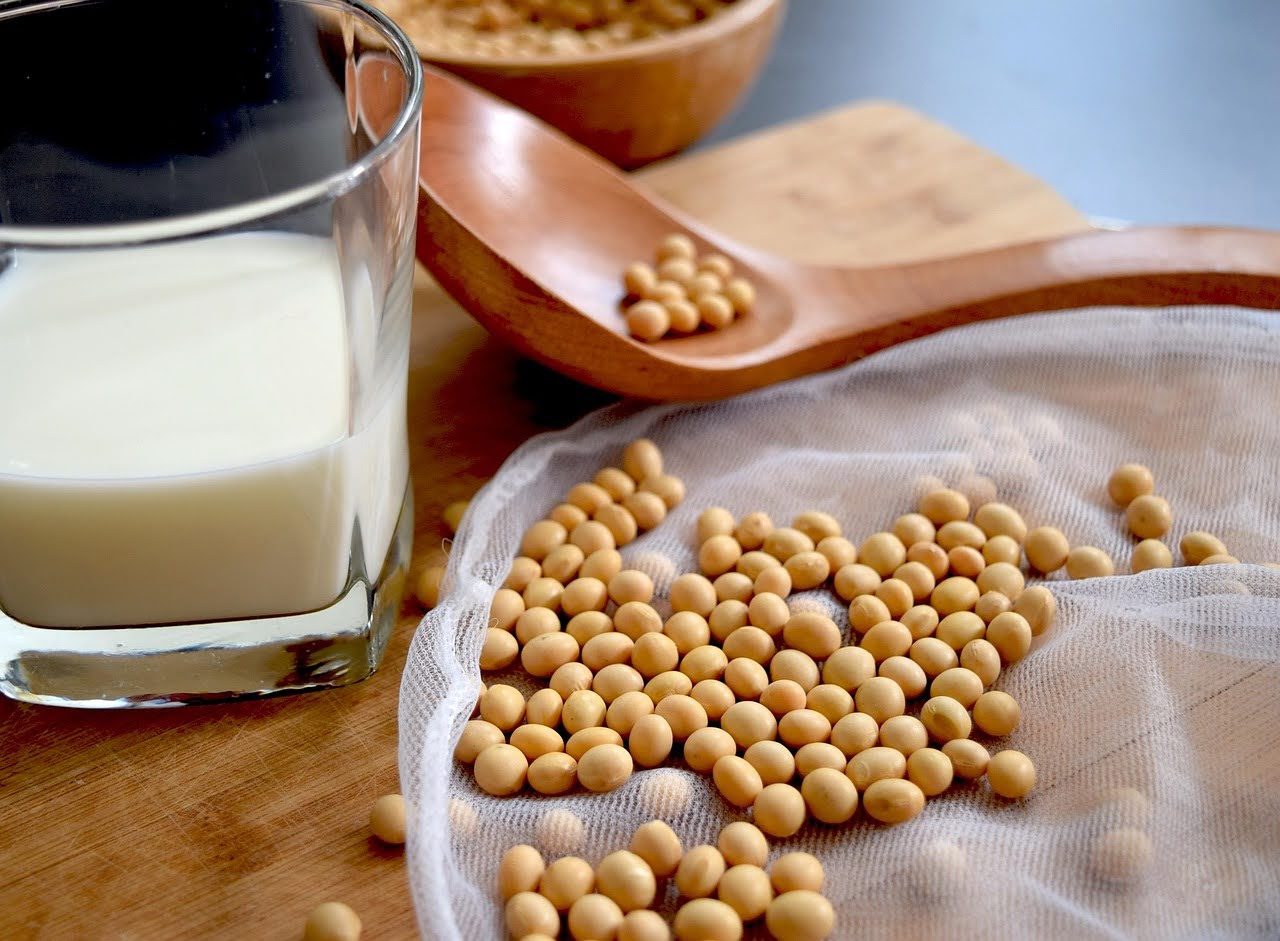
Soy Milk: A Classic Alternative
Soy milk has been a popular dairy alternative for a long time and works well in coffee, especially for those who want a neutral taste that allows the coffee to shine. The texture is similar to cow’s milk, making it a great option for frothing. However, like almond milk, soy milk can curdle if the temperature is not just right, so it’s essential to get it just right to avoid this.
Coconut Milk: A Flavorful Option
Coconut milk has a distinct, sweet flavor that can be a pro or a con depending on personal preference. It works well in mochas, cappuccinos, and flat whites, but may not be the best option for those who prefer a more subtle flavor. Like other alternatives, coconut milk can curdle when cold milk is added to hot coffee, and it’s not the best option for frothing.

Choosing the Best Milk Alternative for Coffee
Ultimately, the best milk alternative for coffee depends on personal taste preference and what you want from your coffee. Each type of milk has its pros and cons, and the characteristics can vary significantly between different brands. Oat milk is often considered the best all-rounder due to its neutral flavor, creamy texture, and ability to froth well.
Other Milk Alternatives to Consider
While oat, almond, soy, and coconut milk are the most common dairy alternatives, there are other options available. Rice milk, hemp milk, and pea milk are great alternatives for those with nut or soy allergies. Pea milk, in particular, is emerging as a promising option due to its high protein levels, which make it behave similarly to cow’s milk.
Our coffee shop franchises offer oat, soy, almond, and coconut milk alternatives, so be sure to try them out and find the one that works best for you.

Learn more about the best plant-based milk for coffee Here

