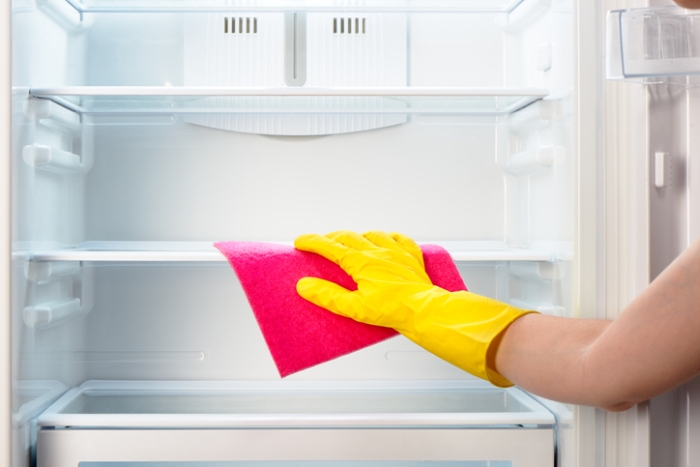


Introduction to Deep Cleaning Your Fridge
Your fridge is one of the most hardworking appliances in your home, yet it’s often one of the most overlooked when it comes to deep cleaning. A neglected fridge can lead to lingering smells, hidden mold, sticky shelves, and dirty condenser coils, all of which can affect food hygiene, efficiency, and even your energy bills. In this article, we’ll provide a comprehensive guide on how to deep clean your fridge properly, including expert tips, advice on mold and stains, and answers to common FAQs.
Step-by-Step Guide to Deep Cleaning Your Fridge
Before you start cleaning your fridge, preparation is key. Empty the fridge completely, check expiry dates, and store food in a cool box or insulated bag if needed. Remove shelves, drawers, and door compartments, and check the manual if you’re unsure how to clean your fridge without turning it off. It’s generally recommended to turn off the fridge for a deep clean.
Start by washing the removable parts, such as shelves and drawers, using hot soapy water and a non-abrasive sponge or cloth. Allow glass shelves to reach room temperature before washing to prevent cracking. For the interior, use gentle but effective solutions like hot soapy water, baking soda solution, or lemon juice to wipe down all surfaces, seals, and corners.
Cleaning the Fridge Interior and Exterior
To clean the interior, use a baking soda solution to tackle odors and stains. For tough stains, apply a baking soda paste and let it sit for 10-15 minutes before wiping away. For the exterior, use a mild detergent and a microfiber cloth to clean stainless steel, white, or black fridge doors. Avoid using abrasive sponges or strong chemical sprays that can damage the finish.
Don’t forget to clean the condenser coils, which can reduce efficiency and cause overheating. Unplug the fridge, locate the coils at the back or underneath, and use a vacuum or soft brush to clean them every 6-12 months.
Maintenance and Aftercare
Regular maintenance is essential to keep your fridge clean and hygienic. Clean the fridge drain hole every 1-3 months to prevent water pooling and mold growth. After cleaning, wait 30-60 minutes before restocking the fridge to ensure everything is dry and clean.
It’s recommended to do a light clean every week, a full interior clean every 4-6 weeks, and a deep clean every 3-6 months. Use microfiber cloths, non-abrasive sponges, baking soda, and washing-up liquid to clean your fridge. Avoid using bleach, abrasive pads, and strong chemical sprays inside the fridge.
Frequently Asked Questions
Why does the drain hole in my fridge keep filling with water? It’s usually blocked by food debris or ice. Regular cleaning prevents water build-up. Can you use Fairy Liquid to clean a fridge? Yes, washing-up liquid is safe for general cleaning tasks when diluted properly. How to get rid of black mold in a fridge drain hole? Flush with warm water and vinegar, then scrub gently with a pipe cleaner.
What is the best thing to clean the inside of a refrigerator with? Baking soda and warm water is one of the safest and most effective options. What not to do when cleaning the fridge? Avoid bleach, abrasive pads, and strong chemical sprays inside the fridge. Can I use bicarbonate of soda to clean my fridge? Yes, it’s excellent for stains, smells, and general cleaning.
Conclusion
Deep cleaning your fridge is an essential task to maintain hygiene, efficiency, and energy bills. By following our step-by-step guide and tips, you can keep your fridge clean and fresh. Remember to clean the fridge regularly, use gentle but effective solutions, and avoid using harsh chemicals or abrasive materials. For more information and expert advice, visit Here