

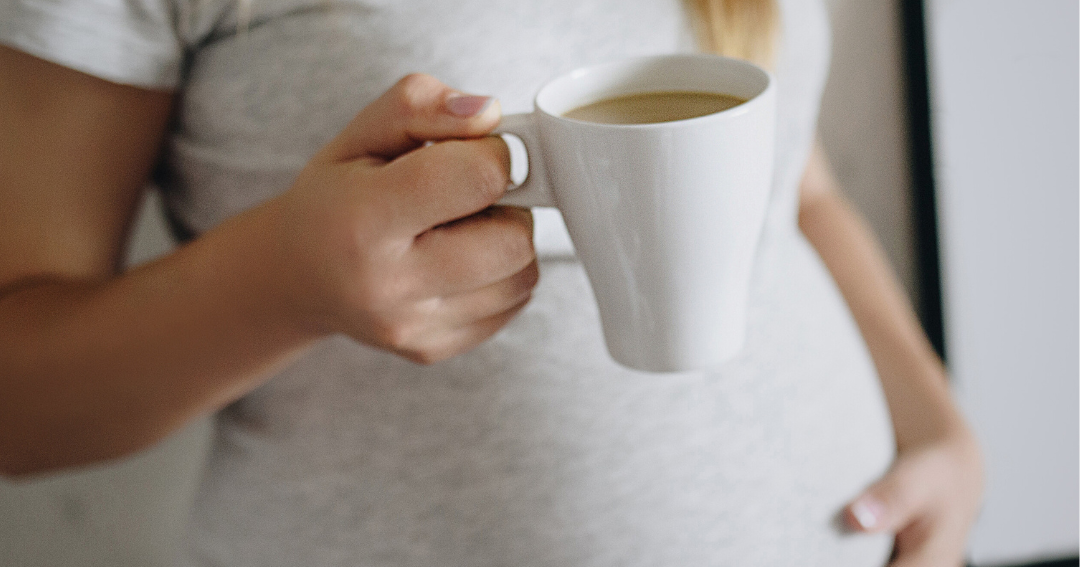
Understanding Coffee Consumption During Pregnancy
For many, coffee is an essential part of daily life, providing a much-needed boost to start the day. However, when it comes to pregnancy, the question arises: how much coffee is safe to consume? Health experts generally recommend limiting regular coffee consumption during pregnancy to minimize potential risks. The consensus is that a safe upper limit is around 200 milligrams of caffeine per day, which translates to about one large or two small cups of coffee. It’s also important to note that caffeine is not exclusive to coffee; it’s found in various foods and drinks, making a balanced diet crucial during pregnancy.
Caffeine’s Effects During Pregnancy
Health authorities, including the European Food Safety Authority (EFSA) and the World Health Organization (WHO), advise limiting caffeine intake during pregnancy. Caffeine accumulates in the body and is broken down more slowly in pregnant women, necessitating careful consumption spreading throughout the day. Since caffeine passes directly into the placenta and then into the baby’s system, it can stimulate the baby’s nerve cells, increase alertness, and potentially raise blood pressure. However, the baby’s body lacks the necessary enzymes to break down caffeine efficiently, leading to prolonged elevated caffeine levels.
Exploring Alternatives to Coffee
Not all women wish to completely abstain from coffee during pregnancy, and fortunately, there are delicious alternatives available. Decaffeinated coffee allows for the enjoyment of coffee flavor without the stimulating effects. Certain teas, known for their health-promoting ingredients, can also be a good option. Green tea, for instance, is often considered a healthy alternative but does contain caffeine, albeit in varying amounts depending on the variety and brewing time. Experts suggest limiting green tea consumption to 2 cups (200 mg of caffeine) per day, similar to the recommended coffee intake.
Green Tea as a Healthy Option
To enjoy green tea safely during pregnancy, consider the following tips: be mindful of the brewing time to avoid excessive caffeine, opt for mild varieties like Sannenbancha, Hojicha, Genmaicha, or Bancha, and choose organic quality to avoid pesticides. Organic options ensure a safer and healthier choice. For those interested in high-quality, organic coffee, there are also options available for purchase.
Caffeine-Free Drinks for Pregnant Women
Beyond tea and decaffeinated coffee, numerous other drinks are suitable and enjoyable for pregnant women. Warm milk with honey can have a calming effect, while freshly squeezed juices or smoothies provide essential vitamins. Coconut water, rich in electrolytes, can help with morning sickness. Various herbal and fruit teas offer additional variety, emphasizing the importance of a healthy diet and adequate fluid intake during pregnancy.
Caffeine and Breastfeeding
After giving birth, many mothers wonder about resuming their coffee habits. Generally, up to two cups of coffee a day is considered safe and unlikely to have negative effects on the baby. However, it’s always best to consult a doctor post-birth for personalized advice. For breastfeeding mothers, the recommended maximum amount of caffeine is usually not problematic, similar to pregnant women. To be cautious, it’s advised to consume coffee after breastfeeding, allowing the caffeine content in breast milk to decrease by the next feeding session. If the baby appears more restless or irritable, reducing coffee intake is recommended.
Conclusion on Coffee During Pregnancy
The question of whether coffee is entirely off-limits during pregnancy can be answered with relief for many: one large cup (or two small cups) of coffee per day is considered safe. A moderate intake of up to 200 mg of caffeine per day is viewed as safe during both pregnancy and breastfeeding. For those who prefer to err on the side of caution, avoiding caffeine or opting for caffeine-free alternatives is always an option. Once the breastfeeding period concludes, enjoying coffee creations without worry is once again possible. For more information on coffee during pregnancy, visit Here

