



Understanding the Persistent Problem of Dust in Offices
Dust is an inevitable issue in any workspace, but offices seem to be particularly prone to its accumulation. Despite regular cleaning, a thin layer of dust often returns, covering desks, monitors, and windowsills. But what makes offices such a breeding ground for dust, and how can it be effectively managed? In this article, we’ll delve into the reasons behind rapid dust buildup in office settings, its impact on staff, equipment, and workplace image, and explore strategies for combating it.
The Composition of Dust and Its Effects
Dust is a complex mixture of tiny particles that collect in the air and settle on surfaces. In offices, this can include dead skin cells, fabric fibers, paper particles, pollen, and microscopic debris from electronics and furniture. The invisible nature of dust makes it particularly problematic, as it can circulate through the air and be inhaled by staff before it’s even visible. According to the United States Environmental Protection Agency (EPA), indoor air pollution, including dust, can have significant health implications.
Factors Contributing to Rapid Dust Accumulation in Offices
Several factors contribute to the rapid buildup of dust in offices. High footfall and human activity, for instance, cause micro-particles to lift into the air, while air conditioning and ventilation systems can redistribute dust if filters are not regularly cleaned. The materials and surfaces found in modern offices, such as carpets, curtains, and paper, also shed particles that contribute to dust accumulation. A study by the American Society of Heating, Refrigerating and Air-Conditioning Engineers (ASHRAE) highlights the importance of proper ventilation and air filtration in reducing indoor air pollution.
The Impact of Dust on Office Environments
The effects of dust on office environments are multifaceted. It can impact staff health and wellbeing, triggering allergies, asthma, and other respiratory conditions. Dust can also damage equipment, causing overheating, reduced performance, or hardware failures. Furthermore, a dusty office can project a negative professional image, undermining a company’s reputation and credibility. The Occupational Safety and Health Administration (OSHA) emphasizes the importance of maintaining a clean and healthy work environment to prevent occupational hazards.
Strategies for Managing Dust in Offices
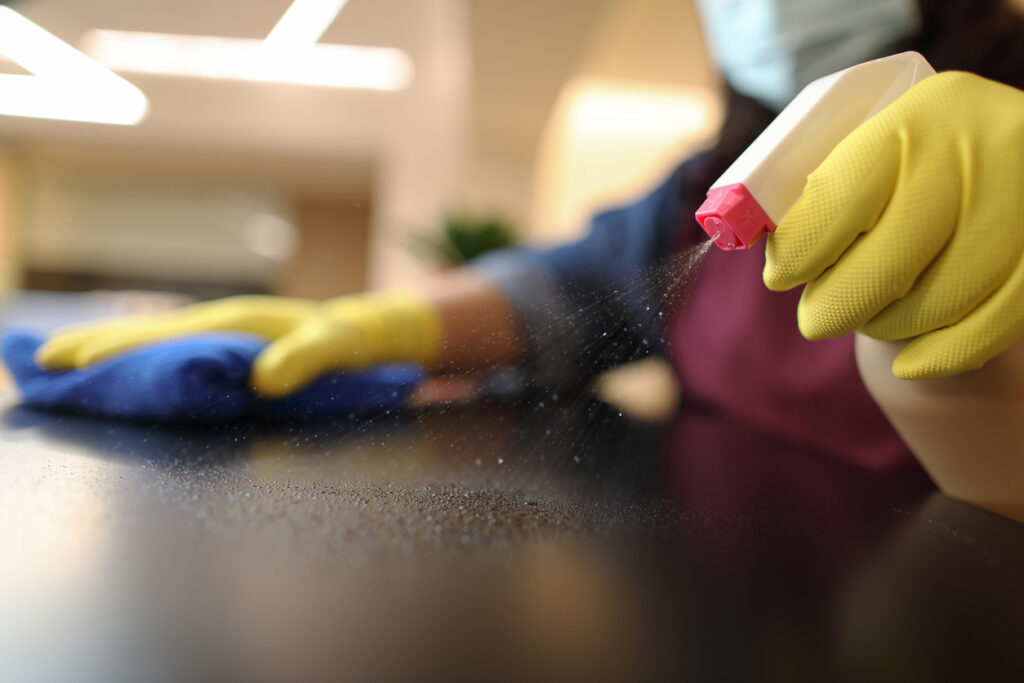
Effective dust management requires a comprehensive approach. Regular cleaning, including daily and weekly cleaning services, is essential. However, deep cleaning sessions that focus on areas often overlooked, such as behind furniture and high-touch surfaces, are also crucial. The use of air purifiers and regular maintenance of ventilation systems can also help reduce dust accumulation. For businesses seeking professional cleaning services, it’s essential to choose a company that understands the unique challenges of office cleaning, such as Dublcheck Cleaning.
By adopting a proactive approach to dust management, businesses can create a healthier, more productive work environment that supports the wellbeing of staff and the longevity of equipment. For more information on managing dust in offices, visit Here