



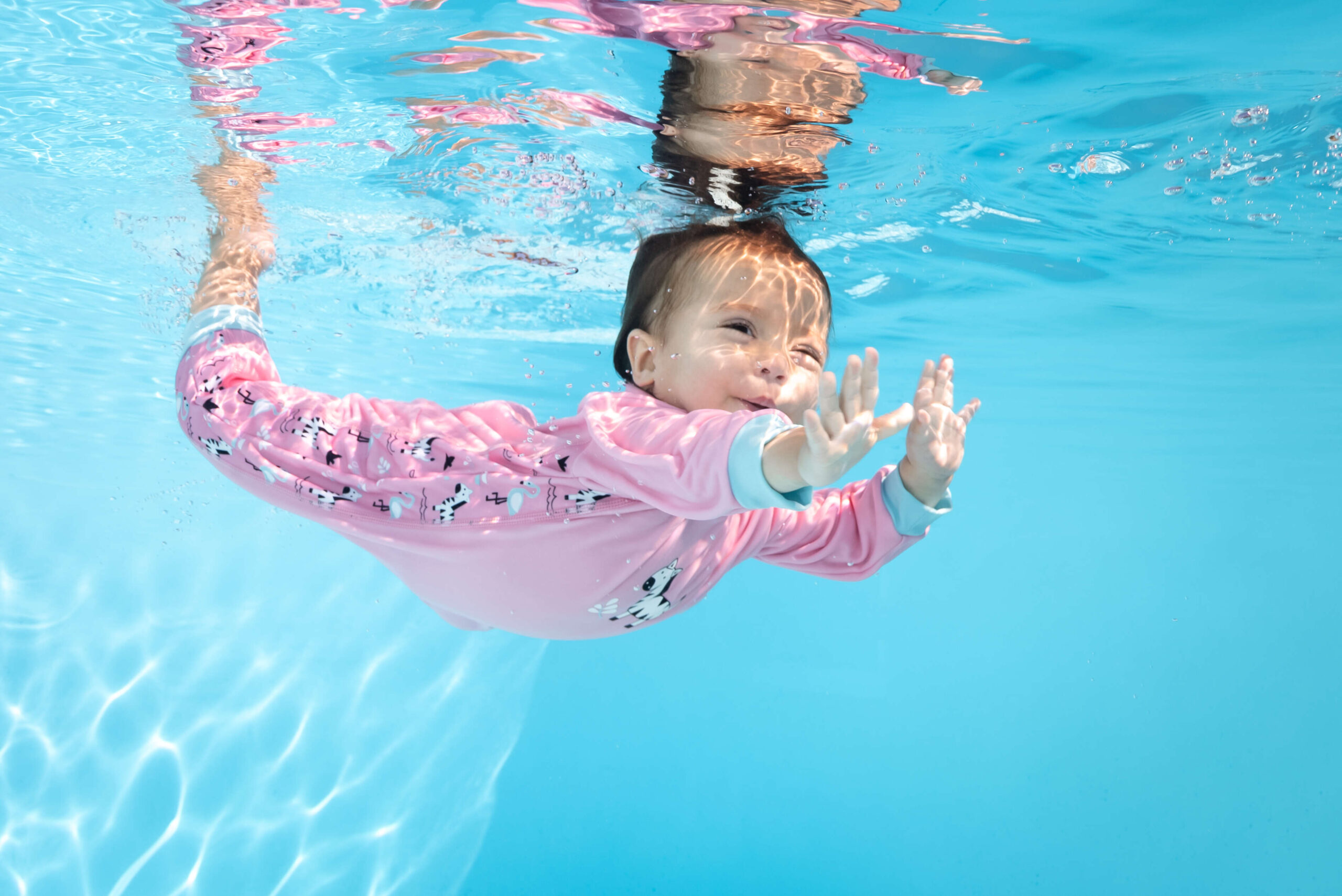
Introduction to Swimming Without Armbands
For generations, armbands have been a staple in swimming lessons for toddlers and children, providing a sense of security and comfort in the water. However, research suggests that armbands may actually hinder a child’s progress in learning to swim. In this article, we will explore the reasons why children learn to swim faster without armbands and what alternatives can be used to promote water confidence and safety.
Are Armbands Safe for Learning to Swim?
Armbands may provide a false sense of security, as they hold children upright in an unnatural swimming position. Without armbands, children are forced to learn how to balance, float, and move their bodies in the water, essential skills that can save lives. According to swimming experts, children who learn to swim without armbands develop stronger swimming techniques and are more likely to become confident swimmers.
Why Do Armbands Delay Progress?
Armbands can restrict arm movement, making it difficult for children to practice proper strokes. By swimming without armbands, children can learn technique naturally, allowing them to develop muscle memory and improve their overall swimming ability. In swimming lessons that do not use armbands, children are taught progressive skills that build on each other, enabling them to learn at their own pace.
Alternatives to Armbands
In swimming lessons that do not use armbands, various alternatives are employed to promote water confidence and safety. These include:
- Noodles or floats for support during practice.
- Hands-on guidance from experienced teachers.
- Progressive activities that build confidence step by step.

Building Confidence Without Armbands
Children who learn to swim without armbands gain confidence with each small achievement, such as floating, kicking, and gliding. This sense of accomplishment builds independence and trust in their own ability, essential for becoming a confident swimmer.
Improving Water Safety
Teaching children to swim without armbands prepares them with genuine survival skills, such as floating, turning, and reaching for safety. In real-life situations, children are unlikely to be wearing armbands, so it is crucial to teach them skills that can be applied in emergency situations. By learning to swim without armbands, children develop the skills and confidence needed to stay safe in and around water.
Armbands may provide a temporary solution for water safety, but they can hold children back from becoming truly water confident. By teaching children to swim without armbands, we can help them build genuine skills for life, safely, naturally, and joyfully. For more information on the benefits of swimming without armbands, visit Here