



Understanding the UK Budget 2025: Implications for the Co-Living and HMO Rental Market
The UK Budget 2025 has introduced significant changes that will impact the housing sector, particularly co-living and Houses in Multiple Occupation (HMOs). Landlords and operators need to understand these changes and how to adapt to the new landscape. In this article, we will break down the key measures affecting HMOs and what they mean for the co-living rental market.
Key Budget Measures Affecting HMOs
One of the most significant changes is the increase in property income tax. From April 2027, landlords will pay 2% more across all income tax bands on property income. This means that the basic rate will increase from 20% to 22%, the higher rate from 40% to 42%, and the additional rate from 45% to 47%.
- Basic rate: 22% (up from 20%)
- Higher rate: 42% (up from 40%)
- Additional rate: 47% (up from 45%)
The impact of this change will be significant, with margins tightening for landlords, especially those with large portfolios or high leverage. Some landlords may increase rents to offset these costs, which could lead to a rise in rental prices.
Stamp Duty Stability
The Budget confirmed no changes to stamp duty and no new annual property tax for homes over £500,000. This stability may encourage continued investment in HMOs, as landlords avoid additional upfront costs.
Council Tax Surcharge
A ‘Mansion Tax’ will apply from 2028 on homes worth over £2m. While this affects a small segment of the market, it signals the government’s intent to target wealthier property owners.
Compliance and Energy Efficiency
The Budget reinforced commitments to energy efficiency upgrades under the Renters’ Rights Act. While grants and incentives are expected, older HMO properties may require significant investment to meet standards.
Market Sentiment
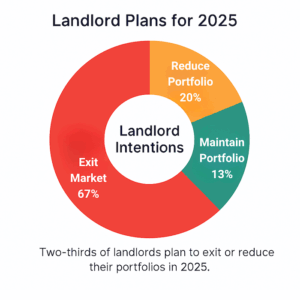
According to Spareroom, 67% of landlords planned to exit or reduce portfolios in 2025, even before the Budget. Higher taxes could accelerate this trend, reducing supply and pushing rents up further.
Here’s a snapshot of the current market trends:
| Metric | 2024 | 2025 (Projected) |
| Average HMO Rent (UK) | £550/month | £580–£600/month |
| Landlord Exit Rate | 55% | 67% |
| Energy Upgrade Costs | £4,000 avg | £5,500 avg |
What This Means for Co-Living Operators
The Budget’s implications for co-living operators are significant. In the short term, stability in stamp duty offers reassurance for investors. However, in the medium term, rising tax rates and compliance costs could lead to rent hikes. In the long term, reduced landlord participation may create a supply crunch, making HMOs even more attractive for tenants seeking affordability.
- Short-Term: Stability in stamp duty offers reassurance for investors.
- Medium-Term: Rising tax rates and compliance costs could lead to rent hikes.
- Long-Term: Reduced landlord participation may create a supply crunch, making HMOs even more attractive for tenants seeking affordability.
Action Points for Landlords
Landlords should take the following steps to adapt to the new landscape:
- Review tax planning strategies now.
- Explore energy efficiency grants early.
- Consider rent adjustments to maintain profitability.
In conclusion, the UK Budget 2025 signals a tougher environment for landlords, but it could strengthen demand for co-living as tenants seek cost-effective housing. For more information on the UK Budget 2025 and its implications for the co-living and HMO rental market, visit Here