



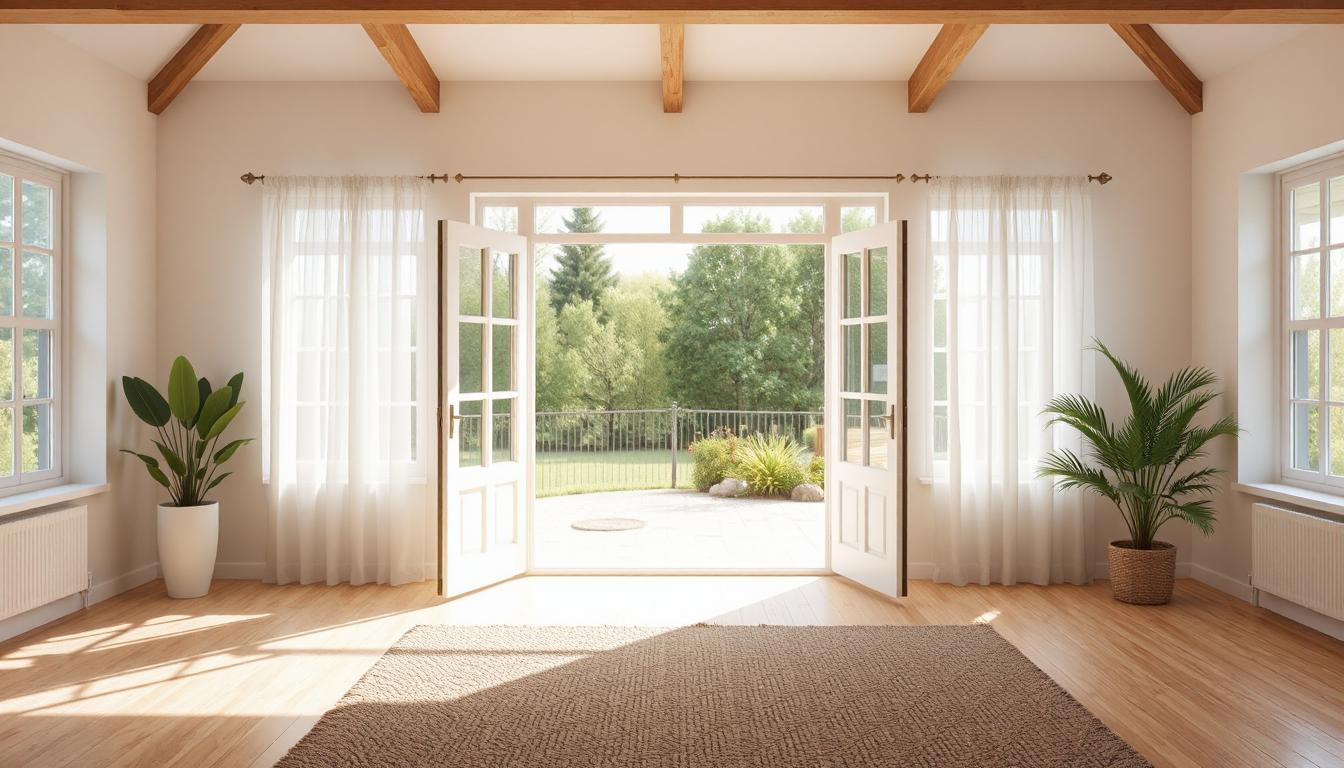
Have you ever walked into a newly renovated room and felt a heavy or stuffy atmosphere? Perhaps you’ve struggled with condensation on windows or a persistent damp smell that refuses to go away. If so, you’re not alone. These issues often arise when a home lacks proper ventilation. In this article, we’ll delve into the importance of ventilation during renovations and provide practical tips to ensure your newly improved home feels as fresh as it looks.
Why Ventilation Matters During Renovations
Proper ventilation is crucial for maintaining a healthy, comfortable, and moisture-free home. It helps remove stale air, reduces mold growth, and improves indoor air quality for all occupants. During renovations, it’s easy to focus on aesthetics like paint colors, tiles, and lighting, but airflow should not be overlooked. Good ventilation prevents damage, keeps your home dry, and ensures everyone can breathe easily.
There are several reasons why ventilation is vital during renovations. Firstly, it keeps your air clean by removing pollutants like dust, paint fumes, and chemicals from materials such as adhesives, varnish, and plaster. These particles, known as volatile organic compounds (VOCs), can cause headaches, coughing, and even breathing issues. Good ventilation helps remove these pollutants quickly, allowing fresh outdoor air to replace contaminated indoor air and creating a healthier home environment.
Benefits of Proper Ventilation
Proper ventilation offers numerous benefits, including preventing moisture and mold. Many renovation activities, such as painting, plastering, or tiling, release moisture into the air. If this damp air doesn’t escape, it can lead to condensation on windows and walls, creating an ideal breeding ground for mold. Ventilation keeps humidity levels under control by pushing moist air out and bringing in dry air, preventing structural issues and keeping your home fresh and mold-free.
Additionally, proper ventilation makes your home more comfortable. When air is trapped, rooms often feel hot, stuffy, or heavy, especially in summer. Ventilation keeps air moving, regulating temperature naturally and allowing cool air to flow in and warm air to escape. This balance of temperature and airflow makes your home more enjoyable to live in all year round. In winter, systems like Heat Recovery Ventilation (HRV) enable you to enjoy fresh air without losing warmth.
Improving Airflow in Your Home
Now that you understand the importance of ventilation, here are some practical ways to improve airflow in your home during and after renovation. Firstly, plan ventilation early, considering the placement of vents, windows, or fans to ensure proper airflow in every space. This prevents issues later and creates a healthy balance between air-tightness and breathability.
Another approach is to use cross-ventilation, a natural and straightforward way to keep your home fresh. This occurs when air flows in from one side of the house and out the other. You can create this by opening windows or vents on opposite walls or using louvres to direct airflow. Even just 10–15 minutes of cross-ventilation each day can replace stale indoor air with clean outdoor air.
Installing exhaust fans in key areas, such as kitchens, bathrooms, and laundries, is also essential. These spaces are prone to moisture and odor buildup, and exhaust fans help pull damp, polluted air outside before it spreads through your home. Ensure the fan vents outdoors, not into your roof space, to prevent moisture from collecting in ceilings or walls.
For homes that are newly insulated or tightly sealed, natural airflow may not be enough. In that case, mechanical systems like HRV or MEV are great solutions. These systems work continuously to remove stale air and bring in filtered fresh air, keeping your home fresh and cozy. HRV systems are especially energy-efficient, recovering heat from outgoing air to warm incoming air.
In conclusion, proper ventilation is crucial for a healthy, comfortable, and moisture-free home. By understanding the importance of ventilation and implementing simple strategies, you can ensure your newly renovated home feels as fresh as it looks. For more information on ventilation and renovation, visit Here