



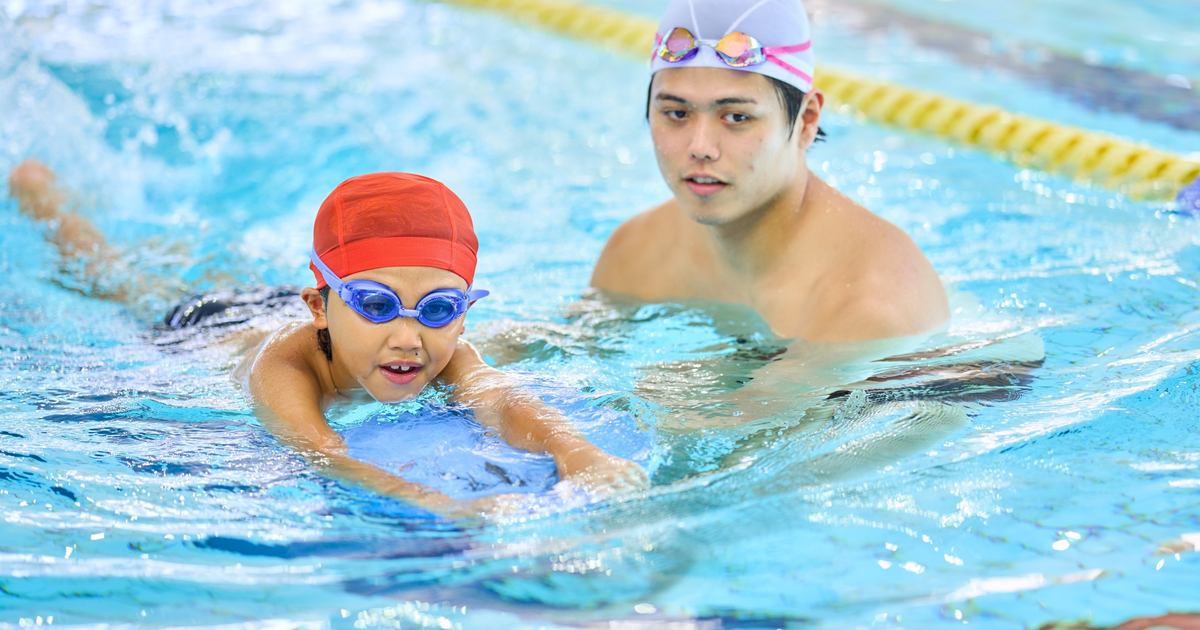
Ensuring a Safe and Supportive Environment for Children to Develop Their Swimming Skills
As a parent or guardian, it’s essential to prioritize your child’s safety, especially when they’re learning new skills like swimming. Even when practising outside of formal lessons, safety must always come first. Without it, children can quickly lose confidence, feel anxious, or even risk injury. Children may be attempting new skills they’ve just learned in class, so clear boundaries and supervision are vital. According to experts, a safe and supportive environment is crucial for children to develop their swimming skills and build confidence in the water.
Creating a Safe Space for Practice
Tips for safe practice include always supervising your child near water, sticking to shallow, calm environments like bath time, paddling pools, or the shallow end of a local pool, and using floatation aids for reassurance but not relying on them fully. It’s also essential to learn basic water safety and CPR yourself. By taking these precautions, you can create a secure space where your child can explore and try new things with confidence. The American Red Cross recommends that children be supervised at all times when in or near water, and that parents and caregivers learn CPR and water safety skills to respond in case of an emergency.
When children know they are in a safe, supervised space, they are far more likely to explore and try new things. By prioritising safety, you create a secure space where your child can do this with confidence. This, in turn, can help them develop a lifelong love of swimming and a strong foundation for future aquatic activities. As the Centers for Disease Control and Prevention notes, swimming is a great way to get exercise and have fun, but it’s essential to take steps to stay safe in and around the water.
The Importance of Safety in Skill Development
Safety ensures children can focus on learning rather than worrying, and knowing you’re close by gives them reassurance to attempt new skills. Good habits developed now, like only swimming with an adult present, create a lifelong safety mindset. By prioritizing safety, you can help your child develop the skills and confidence they need to become a strong and capable swimmer. The USA Swimming organization emphasizes the importance of safety in swimming, noting that it’s essential to create a safe and supportive environment for children to learn and grow.
How Safety Impacts Skills and Confidence:
- Children will practise more willingly in a calm, controlled environment
- Supervision allows you to give gentle encouragement when they succeed
- Floatation aids and calm settings reduce fear and build trust in the water
By prioritizing safety and creating a supportive environment, you can help your child develop the skills and confidence they need to succeed in swimming. For more information on supporting your child’s swimming progress between lessons, visit Here