



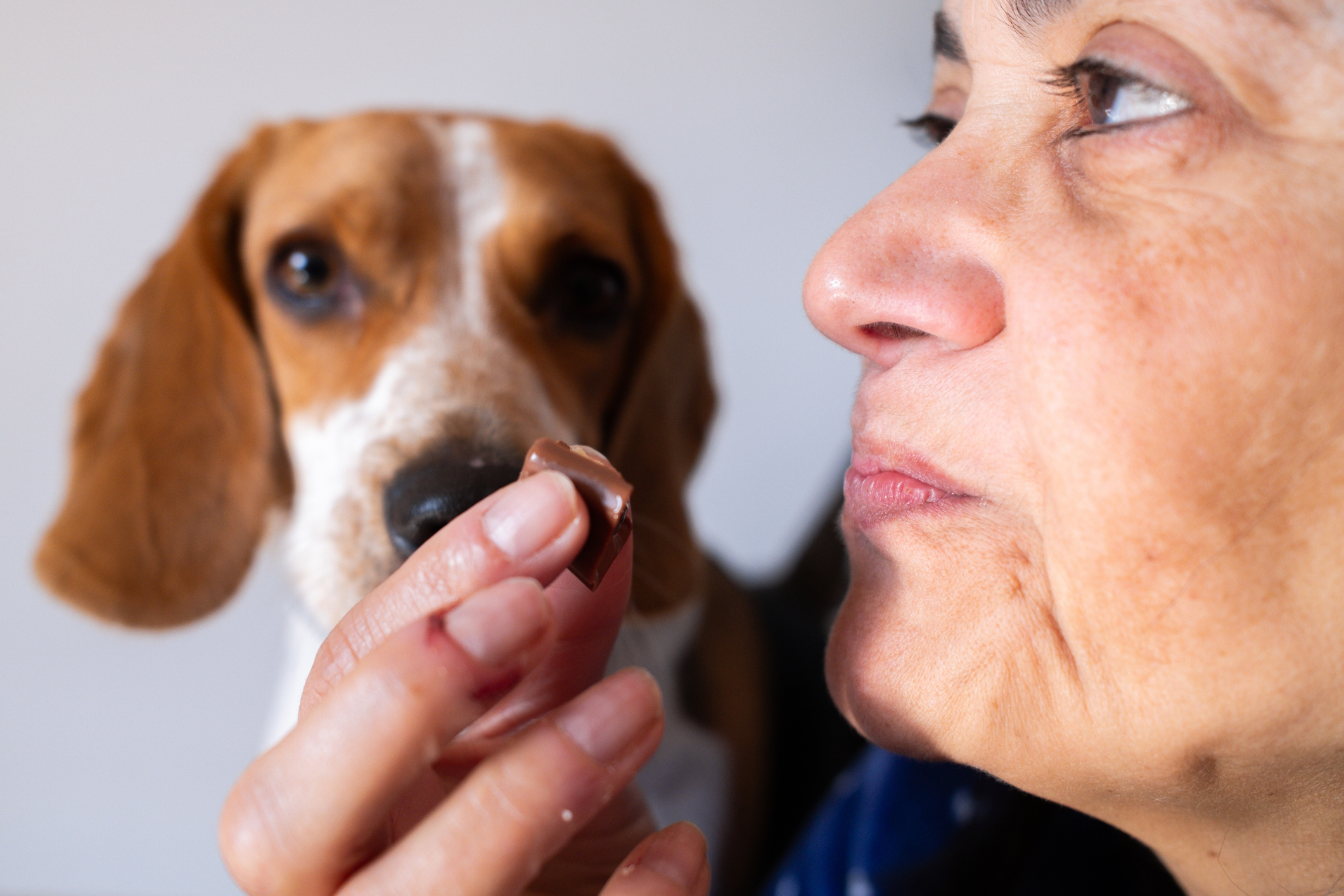
Introduction to Chocolate Poisoning in Dogs
Chocolate is a beloved treat for many people, but it poses a significant risk to dogs. Whether during holidays or everyday indulgences, chocolate can be found throughout the home, and unfortunately, it’s one of the most common causes of poisoning in dogs. As a responsible dog owner, it’s essential to understand the dangers of chocolate and take necessary precautions to prevent poisoning.
Why Chocolate is Toxic to Dogs
Chocolate contains theobromine, a stimulant similar to caffeine. While humans can metabolize it quickly, dogs cannot. Theobromine builds up in their system and can reach toxic or even fatal levels. According to the ASPCA, theobromine can cause a range of symptoms, from mild to severe, depending on the amount and type of chocolate consumed.
Different types of chocolate contain varying amounts of theobromine. Dark chocolate, cocoa powder, and baking chocolate are highly toxic, while milk chocolate contains less theobromine but is still unsafe. White chocolate, on the other hand, contains very little theobromine but can still cause gastrointestinal upset. Factors like a dog’s size, the type of chocolate consumed, and the quantity all influence the level of danger.
Symptoms of Chocolate Poisoning in Dogs
If you suspect your dog has eaten chocolate, watch for the following symptoms: vomiting or diarrhea, rapid breathing or increased heart rate, seizures or muscle tremors, hyperactivity or extreme agitation, and unusual behavior or signs of pain. If any of these signs appear, contact your vet immediately. The American Veterinary Medical Association recommends seeking veterinary attention as soon as possible if you suspect chocolate poisoning.
Statistics on Chocolate Poisoning in Dogs
Dogs Trust, the UK’s largest dog welfare charity, released survey data highlighting that over 48% of pet dogs have eaten chocolate intended for humans, and over 5% have become seriously ill from it. The RSPCA has also issued warnings, stating that chocolate poisoning is the most commonly reported type of dog poisoning reported to the Veterinary Poisons Information Service.
Preventing Chocolate Poisoning in Dogs
To prevent chocolate poisoning, it’s essential to keep all sweets out of reach, especially during holidays or parties. Educate guests and children about the risks, and be mindful of other toxic foods like grapes, raisins, nuts, and xylitol-sweetened items. If someone else is caring for your pet, make sure they understand these risks. Always have emergency vet contact information accessible, and treat your dog with healthy alternatives like carrot sticks or dog-specific treats and toys.
Frequently Asked Questions
Can dogs eat any type of chocolate safely? No, all forms of chocolate contain theobromine, which is toxic to dogs. Even small amounts can be harmful, especially for smaller breeds. Isn’t a small amount okay? This is a common misconception. While a larger dog might not show immediate signs from a small bite, any amount carries risk. It’s better not to take chances. What about white chocolate? White chocolate contains very low levels of theobromine but is still high in sugar and fat. It can cause vomiting, diarrhea, and hyperactivity. It’s not safe for dogs.
For more information on chocolate poisoning in dogs, visit Here