

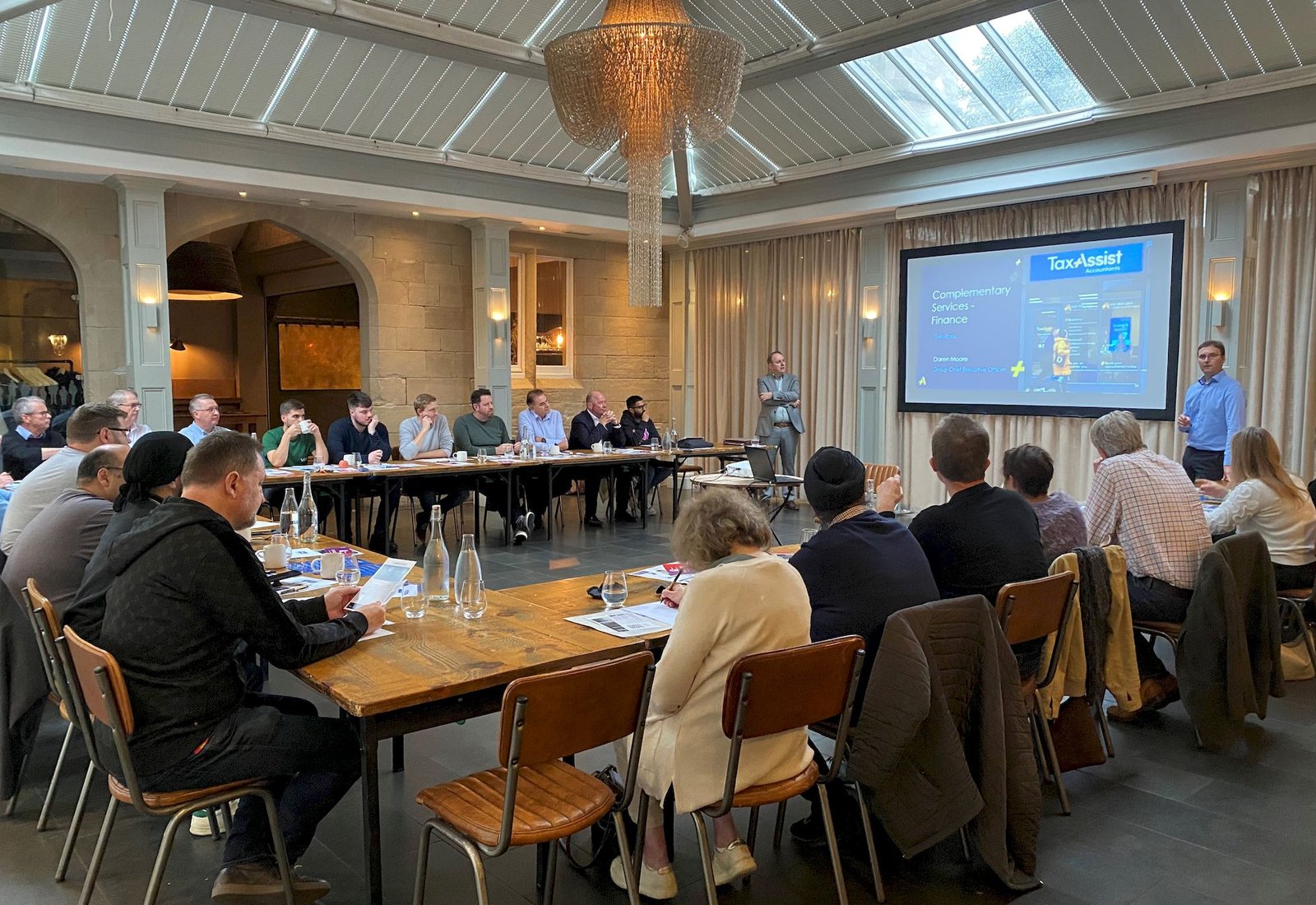
Franchise Discovery Day often carries the reputation of being a sales event. In reality, it’s something far more important: a structured opportunity for both franchisor and candidate to determine whether they can succeed together long term.
While candidates may arrive expecting a polished presentation designed to “sell the opportunity,” the most effective Discovery Days operate very differently. They reveal operational readiness, communication style, and cultural fit — factors that ultimately determine whether a franchise partnership will thrive.
Rather than a pitch, Discovery Day functions as a mutual stress test.
Key Takeaways
- Discovery Day reveals operational readiness and alignment, not just enthusiasm.
- Franchisors assess listening ability, decision-making, financial realism and cultural fit.
- Candidates should evaluate transparency, leadership culture and the reality of franchise support.
What Franchisors Are Really Evaluating
Excitement alone rarely determines whether a candidate progresses. Franchisors are focused on understanding whether someone can operate the model effectively and represent the brand responsibly.
One of the first indicators is how well a candidate listens. Those who dominate the conversation often struggle later with system compliance, while candidates who ask thoughtful questions and absorb operational detail demonstrate coachability — a critical trait in franchising.
Decision-making style also becomes clear during these meetings. Strong franchise operators balance adherence to a proven system with practical judgment. When discussing real scenarios such as staffing issues, customer complaints or financial pressures, candidates reveal how they approach problem solving. Structured thinking and measured responses tend to signal operational maturity.
Financial awareness is another important factor. Franchisors are not searching for perfection, but they are looking for realism. Candidates who openly discuss margins, labour costs and scaling challenges demonstrate an understanding of the commercial realities of running a franchise.
Cultural alignment is equally important. A franchise system is a network built on collaboration between franchisees and the support team. Candidates who resist collaboration or underestimate the importance of the support structure may struggle to integrate successfully into the network.
What Candidates Should Be Observing
Discovery Day is just as revealing for candidates as it is for franchisors.
It offers a rare opportunity to see how a brand operates when leadership, support teams and operational processes are on display.
Pay attention to how leadership interacts with staff. When executives know team members personally and actively listen to them, it often reflects a culture built on respect and accountability. If interactions appear rushed or transactional, it may hint at internal dynamics that could later affect franchisees.
Transparency also matters. Strong franchisors welcome difficult questions about costs, ramp-up timelines and operational risks. Clear, honest answers suggest a mature organisation. Overly polished or evasive responses can signal a gap between marketing and operational reality.
Training and support discussions deserve particular scrutiny. Candidates should understand not just what support exists, but how it is delivered and measured. Effective franchise systems clearly outline onboarding, ongoing coaching and the performance benchmarks used to guide franchisees.
It is also worth listening carefully to how existing franchisees are discussed. Mature brands celebrate success stories while openly acknowledging the operational challenges that franchise owners face. Systems that promise universal success without nuance may be oversimplifying the journey.
When Discovery Day Reveals Readiness
Discovery Day often highlights the difference between enthusiasm and preparedness.
In one case, a candidate arrived confident and energetic but avoided operational questions. When asked how he would handle employee turnover, he quickly redirected the conversation to marketing strategies. His passion for the brand was clear, but the discussion revealed a gap between vision and operational execution.
Another candidate approached the day differently. She arrived well prepared, having already spoken with several franchisees. Her questions focused on staff scheduling, retention strategies and the way performance metrics were used to support struggling operators. Her quiet preparation demonstrated a clear understanding of the realities of ownership.
Discovery Day did not change either candidate. It simply revealed their readiness to operate within the system.
Alignment Matters More Than Excitement
The most successful franchise partnerships are built on alignment rather than momentum.
Excitement can help drive the initial decision to invest, but long-term performance depends on shared expectations, operational discipline and cultural fit.
Discovery Day exists to surface these factors early. By testing communication styles, operational thinking and mutual expectations, it helps both franchisor and candidate avoid costly misalignment.
When approached honestly, the day becomes far more valuable than a sales presentation.
Candidates should arrive ready to learn rather than perform, and franchisors should focus on candid dialogue rather than choreography. When both sides treat Discovery Day as an opportunity for transparency, it fulfils its real purpose — ensuring the partnership begins with clarity and alignment.

