

Designing a Dream Children’s Room: A Guide to Creating a Fun and Functional Space
A child’s room is more than just a place to sleep; it’s where they play, learn, and dream. Creating a space that feels fun, safe, and practical is essential for their development and well-being. A well-designed children’s room should strike a balance between creativity and comfort, providing space for imagination and play, as well as smart storage to keep things organized. In this article, we’ll explore simple ways to design a playful and functional children’s room that’s both beautiful and built to last.
Understanding the Importance of a Well-Designed Children’s Room
According to experts, a well-designed children’s room can have a significant impact on a child’s cognitive, emotional, and social development. A room that is designed with a child’s needs in mind can help foster a sense of independence, creativity, and self-expression. Moreover, a well-organized and clutter-free space can help reduce stress and anxiety, promoting a sense of calm and well-being.
Key Principles for Designing a Children’s Room
When designing a children’s room, there are several key principles to keep in mind. Firstly, safety should always be the top priority. This means securing large furniture to the wall, keeping windows safe, and choosing furniture with soft, rounded edges. Secondly, the room should be designed with flexibility in mind, allowing for easy rearrangement as the child grows and develops. Finally, the room should be designed to promote creativity, imagination, and play, with plenty of space for art, music, and other activities.
Creating a Safe and Simple Layout
A safe and simple layout is essential for a children’s room. This means keeping the middle of the room open, with plenty of space for play and movement. Large furniture, such as wardrobes and bookshelves, should be securely fastened to the wall to prevent tipping. Additionally, windows should be safe, with no furniture or other objects that could be used as a climbing aid.
Using Custom-Built Furniture for Flexibility
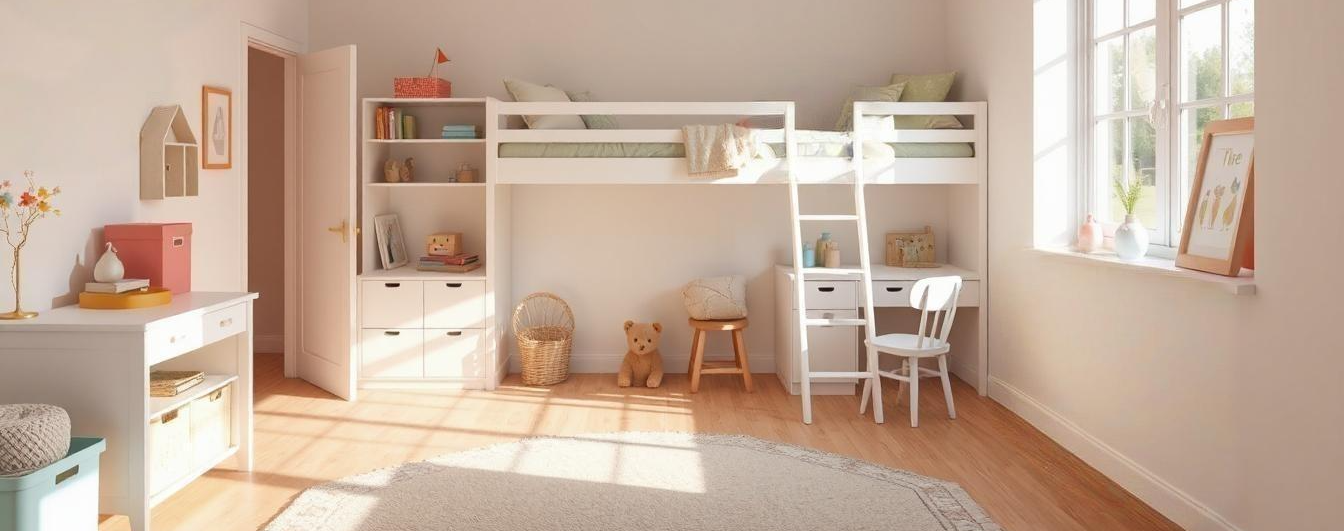
Custom-built furniture can be a great way to add flexibility to a children’s room. For example, a bed with drawers underneath can provide extra storage for clothes and toys. Alternatively, a loft bed with a desk or play area below can be a great way to use vertical space effectively. As the child grows, the furniture can be easily rearranged or modified to meet their changing needs.
Adding Plenty of Smart Storage
Smart storage is essential for keeping a children’s room organized and clutter-free. This can include open shelves for books and toys, colourful bins and baskets for smaller items, and built-in benches with hidden storage underneath. By providing plenty of storage options, children can learn to tidy up and keep their belongings organized, promoting a sense of responsibility and self-care.
Keeping the Design Playful with Colour and Texture
A children’s room should be a fun and playful space, with plenty of colour and texture to stimulate the senses. This can include fun wallpaper, colourful cushions, and a bright rug to add warmth and personality to the room. Additionally, textures such as soft rugs, knitted blankets, and wooden furniture can create a cozy and inviting atmosphere, perfect for relaxation and play.
Creating Zones for Sleep, Play, and Study
Dividing the room into different zones can help create a sense of organization and structure. For example, a sleep zone can be created with a comfortable bed and calming colours, while a play zone can be designed with a soft rug and low shelves for toys and games. A study zone can be created with a small desk and good lighting, providing a dedicated space for homework and learning.
Using Wall Space Wisely
Walls can be used for more than just hanging pictures. They can also provide additional storage and display space for toys, books, and other belongings. For example, hooks can be used for hanging bags, jackets, or hats, while pegboards can be used for art supplies or small toys. Additionally, a chalkboard or whiteboard can be installed, providing a space for creative expression and learning.
Bringing in Light and Fresh Air
Natural light and fresh air are essential for a healthy and happy child. Keeping curtains light and airy can help bring in sunlight, while a desk lamp or night light can provide additional lighting for reading or studying. Good air circulation is also important, with regular opening of windows to let in fresh air and prevent stagnation.
Letting Their Personality Shine Through
Every child is unique, with their own interests, hobbies, and personality. Their room should reflect this, with decorative elements and furniture that reflect their individuality. For example, a child who loves space can have a room with a galaxy-themed wallpaper or bedding, while a child who loves art can have a room with a dedicated art station or display space for their creations.
By following these principles and tips, you can create a children’s room that is both fun and functional, providing a safe and stimulating environment for your child to grow and develop. For more information and inspiration, visit Here

