

Understanding DSG Transmissions and the Importance of Releasing System Pressure
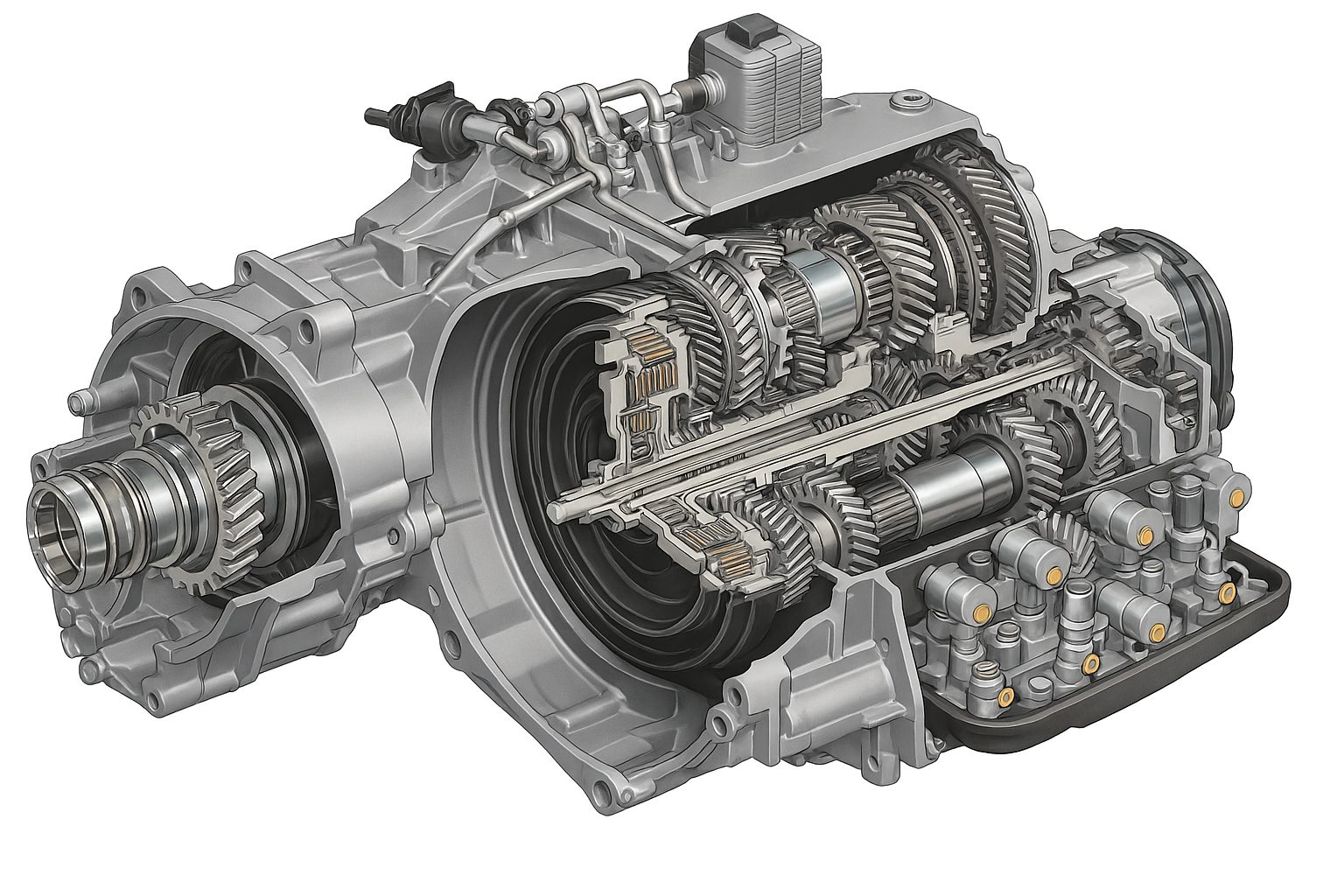
Dual-clutch transmissions (DSGs) are renowned for their rapid shifts and refined drivability in Volkswagen Audi Group (VAG) vehicles. However, behind this smooth performance lies a complex combination of high-pressure hydraulics, a mechatronics unit, and precision clutch control. When routine repairs or clutch replacements are required, it’s crucial to remove the mechatronics unit safely to avoid mechanical damage. This is because the accumulator remains pressurized even when the engine is switched off, and removing components without releasing this pressure can lead to physical damage.
The DSG system operates by combining two clutches, a manual gearbox, and a high-pressure hydraulic control unit. The mechatronics module manages both clutch operation and gear selection using regulated hydraulic pressure to selector forks and clutch actuators. Stored pressure is held in an accumulator, allowing for rapid gear changes without delay. This clutch-to-clutch changeover produces the rapid shift that DSG is known for, with no torque interruption as one clutch hands off to the other at the precise moment of change.
The Risks of Not Releasing System Pressure
When the mechatronics unit is removed without releasing the system pressure, stored hydraulic pressure can eject shift solenoid actuator rods, causing irreversible damage and potentially contaminating the gearbox with internal fragments. This can lead to costly part damage and compromise the overall performance of the vehicle. Therefore, it’s essential to depressurize the reservoir before removing the mechatronics unit to ensure safe and efficient repairs.
Releasing DSG System Pressure with Snap-on Diagnostic Software
The latest Snap-on Diagnostic Software update includes a dedicated Special Function to release DSG oil pressure, ensuring safe removal of the mechatronics module without relying on an OEM tool. This software function is compatible with VAG models and can be accessed through the Special Functions menu. By using this feature, technicians can confidently and safely release the system pressure, reducing the risk of mechanical damage and ensuring efficient repairs.
Service Reset and Relearn Procedures
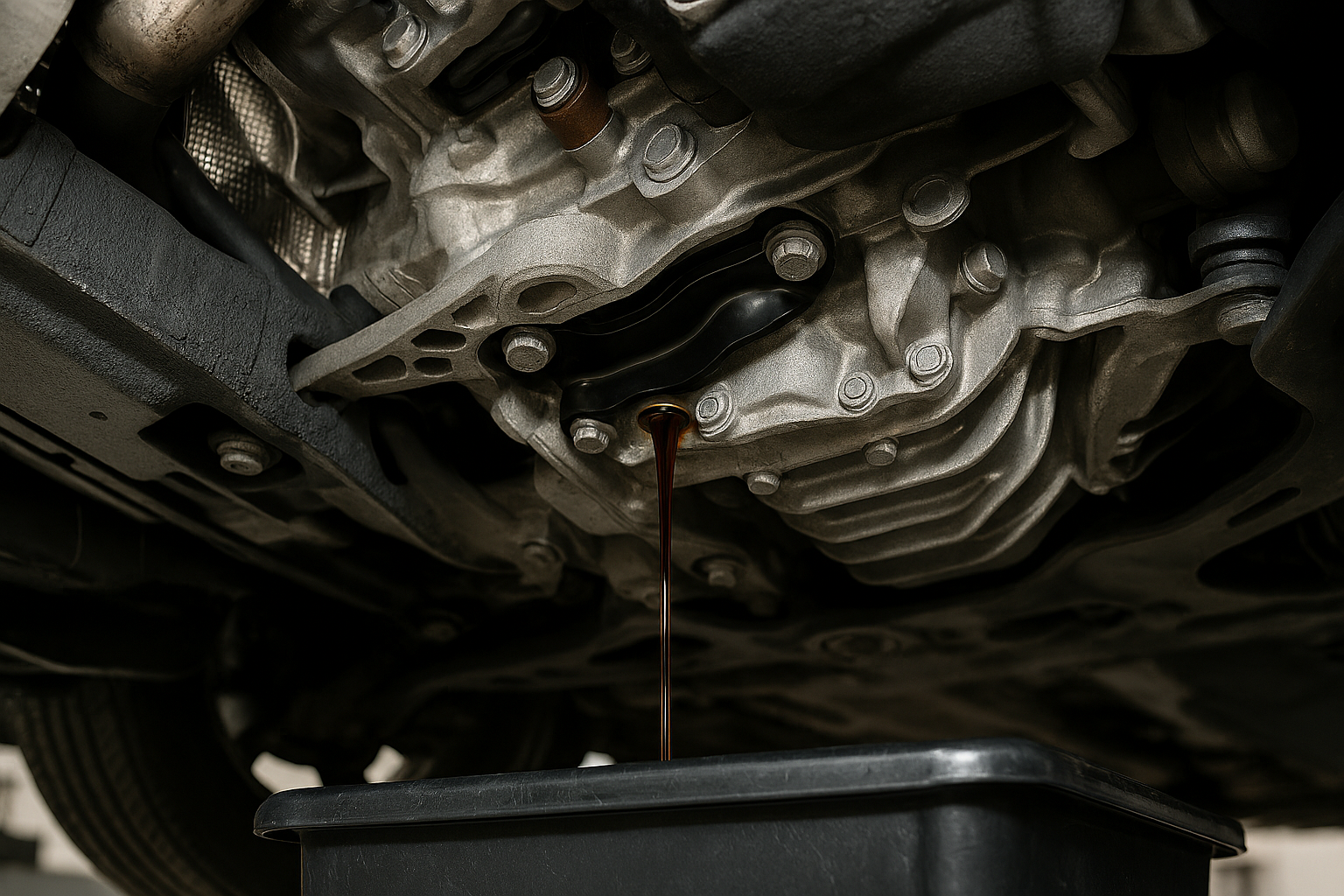
After completing mechanical work, it’s essential to perform the necessary adaptations to ensure smooth clutch take-up and correct gear selection. This includes service reset and relearn procedures, which can be completed using the Snap-on Diagnostic Software. By following these procedures, technicians can ensure that the vehicle operates smoothly and efficiently, providing a professional finish to every repair.
Conclusion
In conclusion, DSG transmissions require careful attention when it comes to releasing system pressure to avoid mechanical damage. The latest Snap-on Diagnostic Software update provides a dedicated Special Function to release DSG oil pressure, ensuring safe and efficient repairs. By following the correct procedures and using the right tools, technicians can confidently complete repairs and provide a professional finish. For more information on releasing DSG system pressure on VAG vehicles, visit Here

